

7 Early Signs of Joint Stiffness in Dogs (and What to Do Before It Gets Worse)
June 26, 2026 · The Snoutsie Team
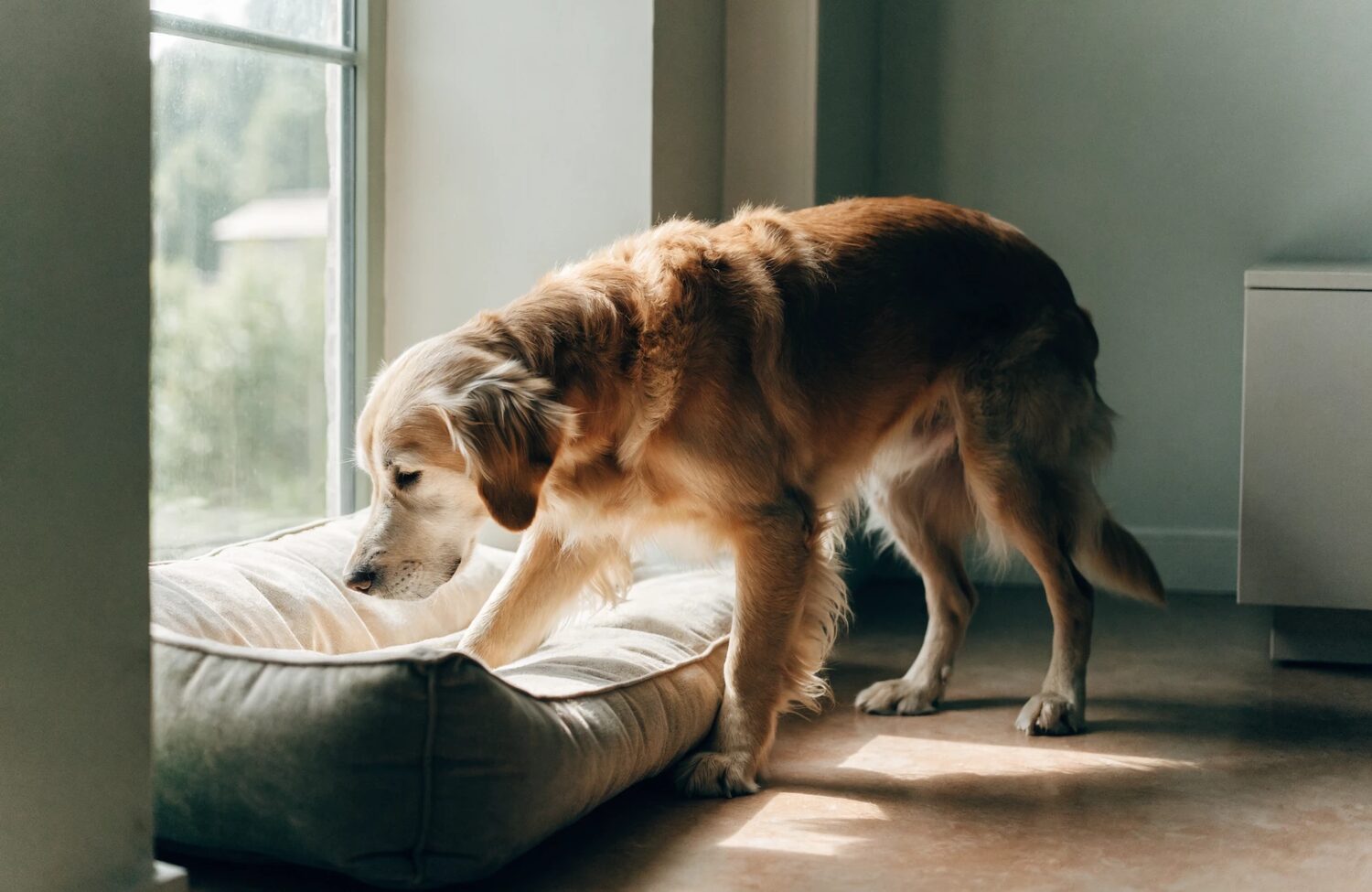
Joint stiffness in dogs rarely arrives overnight. It creeps in slowly - a slightly slower morning here, a skipped jump onto the couch there - until one day you realize your dog isn't moving the way they used to. The good news: the early signs of joint stiffness in dogs are easy to spot once you know what to look for, and the earlier you act, the more you can do to keep your dog comfortable and mobile.
Here are seven of the most common early signs, why they happen, and what to do about them.
1. Slow to get up in the morning (or after a nap)
One of the very first signs owners notice is post-rest stiffness. If your dog is slow to rise first thing in the morning or after a long nap, then loosens up after a few minutes of moving, that warm-up pattern is a classic early signal.
2. Stiffness that eases once they get going
Early joint discomfort often looks worse at the start of activity and better once your dog warms up. A slight limp on the first few steps that disappears on the walk is easy to dismiss, but it's worth noting.
3. Hesitating at stairs, the car, or the couch
Dogs are problem-solvers. If yours starts pausing before stairs, asking for a boost into the car, or no longer jumping onto a favorite spot, they may be avoiding movements that have started to feel uncomfortable.
4. Less interested in play or walks
A dog who used to bring you the ball and now loses interest halfway through may not be getting lazy. Reduced enthusiasm for play, shorter walks, or lying down partway through activity can all be early mobility signals.
5. Licking or chewing at a joint
Dogs often groom areas that feel sore. Repeated licking or chewing around a hip, knee, or elbow, especially the same spot, can point to discomfort underneath.
6. Subtle changes in gait or posture
Watch how your dog moves. A shortened stride, a slight sway, bunny-hopping with the back legs, or shifting weight off one limb are small gait changes that often appear before any obvious limp.
7. Irritability or not wanting to be touched
If your normally easygoing dog flinches, pulls away, or gets grumpy when you touch a leg or hip, that new sensitivity can mean the joint is tender.
What to do when you spot the early signs
Catching stiffness early is a real advantage. It is far easier to support comfortable movement than to play catch-up later. A few things that help:
- Keep them at a healthy weight. Extra pounds mean extra load on every joint.
- Stick to consistent, low-impact exercise. Regular gentle walks and swimming keep joints moving without pounding them.
- Make the home joint-friendly. Rugs on slippery floors, an orthopedic bed, and a ramp for the car or couch reduce daily strain.
- Start daily joint support early. Clinically studied ingredients like glucosamine, chondroitin, and green-lipped mussel are most useful when you begin before stiffness becomes severe, and they take about 4 to 6 weeks of consistent use to build up.
That is exactly why we built Snoutsie Hip & Joint Soft Chews with clinically studied doses printed right on the label, so you can see precisely what your dog is getting and support comfort and mobility from the early days on. (Supplements support healthy joints; they are not a treatment for diagnosed disease.)
When to call your vet
Some signs deserve a professional look sooner rather than later. Book a vet visit if you notice a persistent limp, sudden reluctance to move, swelling or heat around a joint, yelping in pain, or any rapid change in mobility. Your vet can rule out injury or other conditions and help you build the right plan for your dog's age and breed.
Joint stiffness is common, especially as dogs age, but common does not mean you are powerless. Spotting these early signs and acting on them is one of the best things you can do to keep your dog enjoying more good walks ahead.
Snoutsie chews are developed with veterinary input and made in an FDA-registered, ISO-certified facility. This article is educational and is not a substitute for veterinary advice.