

The Dog Wellness Checklist for Every Season
June 26, 2026 · The Snoutsie Team
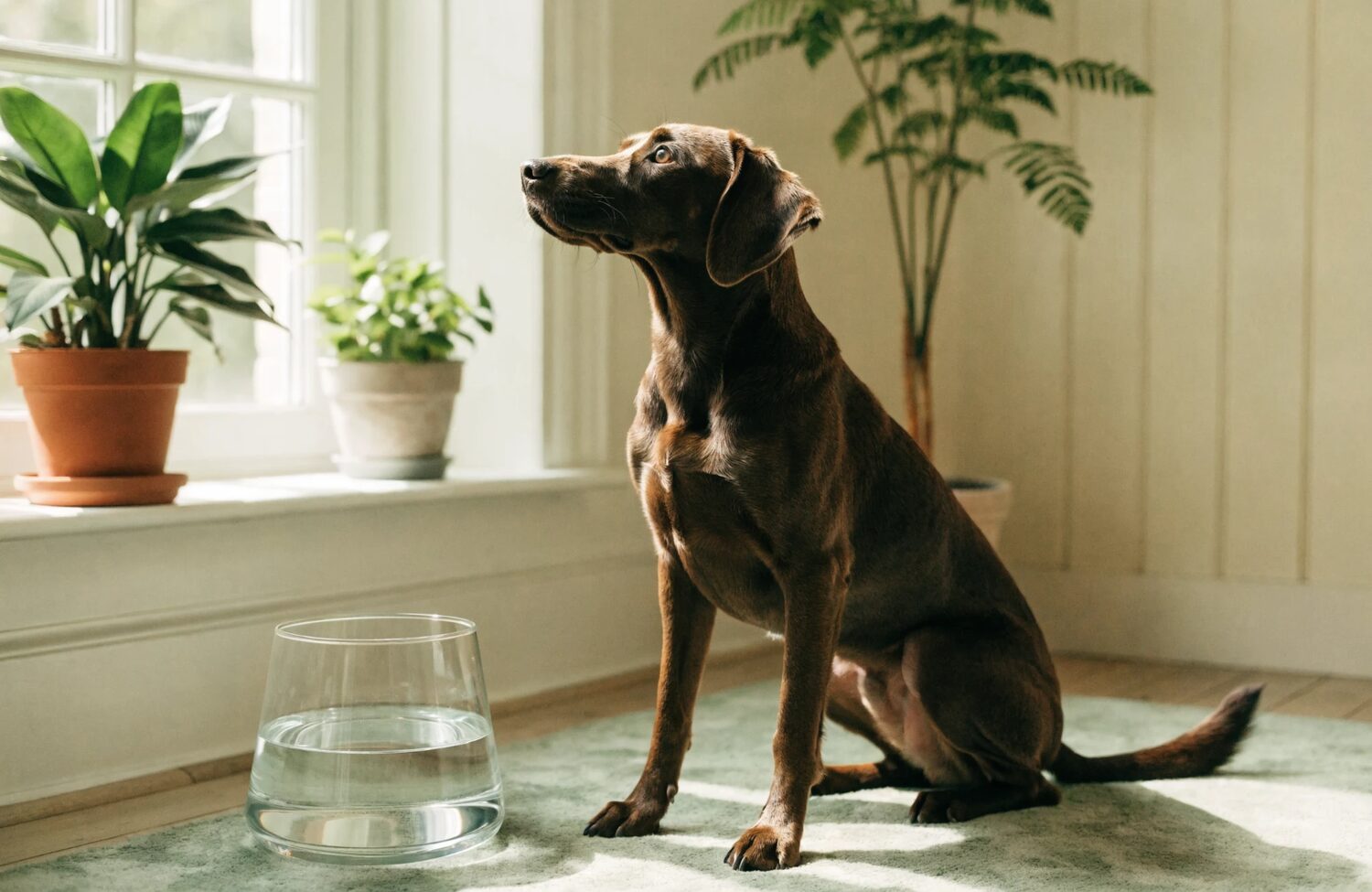
Good dog care isn't one big thing - it's a handful of small habits done consistently. The catch is that what your dog needs in July isn't quite what they need in January. This dog wellness checklist breaks the year into seasons so nothing important slips through the cracks, whatever your dog's age or breed.
Use it as a quick seasonal tune-up, and pair it with the year-round basics at the bottom.
Spring: reset and protect
- Restart parasite prevention. Fleas, ticks, and heartworm ramp up as it warms - make sure prevention is current.
- Watch for seasonal allergies. Itchy skin, paw-licking, and ear issues often flare in spring.
- Ease back into exercise. After a quieter winter, rebuild activity gradually to protect joints and muscles.
- Book a wellness exam. Spring is a natural time for an annual or semi-annual vet check.
Summer: keep them cool and safe
- Prevent overheating. Walk in the cool of the morning or evening, always carry water, and never leave a dog in a parked car. Flat-faced and senior dogs are especially heat-sensitive.
- Protect the paws. Hot pavement can burn - if it's too hot for your hand, it's too hot for their pads.
- Stay on top of parasites and water safety. Keep prevention going and rinse off after swims.
Fall: prepare for the slowdown
- Reassess weight and diet. As activity dips, adjust portions to avoid winter weight gain - extra pounds are hard on joints.
- Get ahead of stiffness. Cooler weather often makes early joint stiffness more noticeable. A consistent daily joint routine is easiest to keep up when you start before the cold sets in.
- Check the coat and skin. Seasonal shedding and drier air can affect skin - keep grooming regular.
Winter: comfort and mobility
- Warm up cold joints. Stiffness is usually worse in the cold and after rest. Keep walks regular but gentle, and consider a coat for short-haired or senior dogs.
- Make the home grippy. Rugs on slippery floors and an orthopedic bed away from cold drafts help older dogs move comfortably.
- Wipe paws after walks. Road salt and de-icers can irritate pads.
- Don't skip exercise. Less daylight shouldn't mean no movement - keep them active to support weight and joints.
The year-round basics (every season, every age)
- Healthy weight. The single biggest lever for long-term joint and overall health.
- Consistent exercise. Daily, appropriate to age and breed.
- Dental care. Regular tooth brushing and check-ups.
- Fresh water and a complete diet. Plus any supplements your dog actually needs.
- Routine vet visits. Annually for adults, twice a year for seniors - early detection matters.
- Daily support where it counts. If your dog is older or showing early stiffness, a clinically dosed joint chew is most useful taken consistently. Our Hip & Joint Soft Chews print every milligram on the label, so you can see exactly what your dog is getting. (Supplements support wellness; they aren't a substitute for veterinary care.)
You don't need to do everything at once. Pick the season you're in, run down the list, and build the year-round basics into your routine. Small, steady habits are what keep dogs comfortable and active for the long haul.
Snoutsie chews are developed with veterinary input and made in an FDA-registered, ISO-certified facility. This article is educational and is not a substitute for veterinary advice.